 (Image via
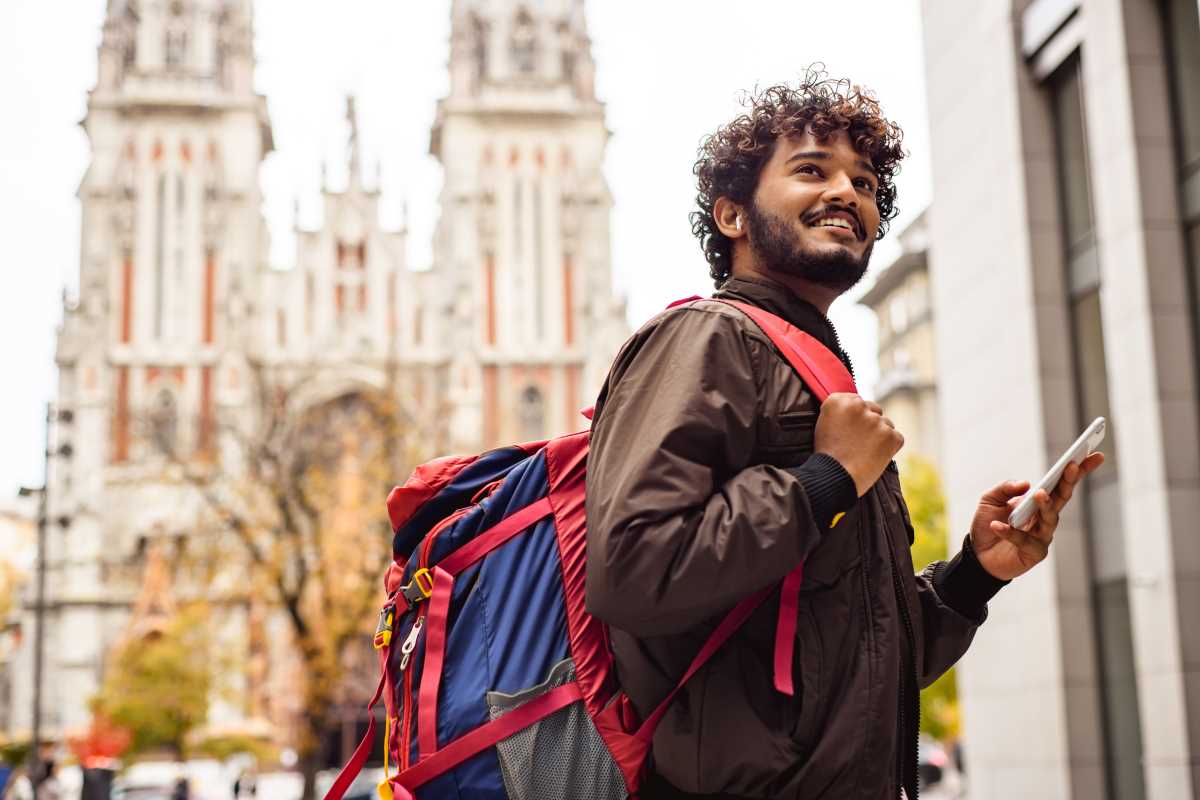
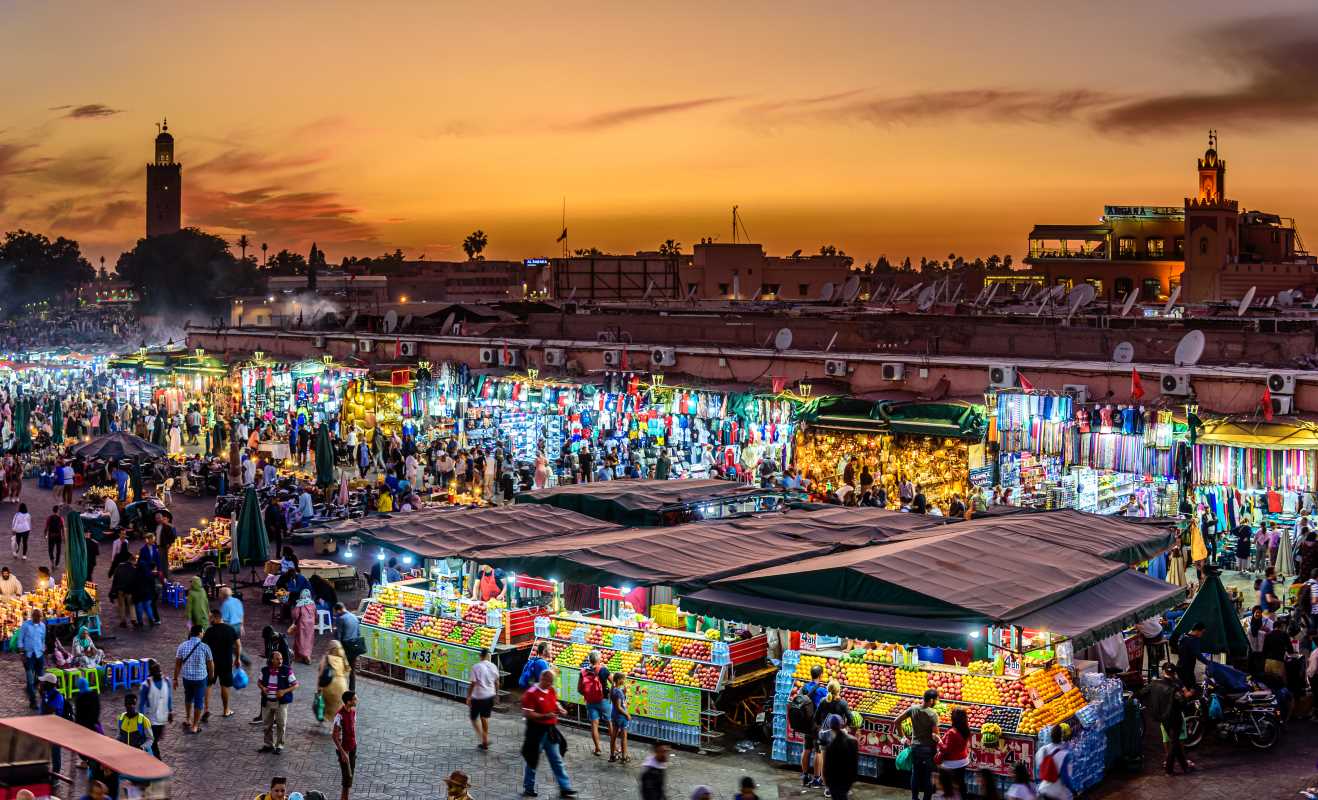
The thrill of booking your first international trip is often accompanied by visions of stunning landscapes and delicious food. However, amidst the excitement of packing and itinerary planning, one crucial element is frequently overlooked: cultural etiquette. For first-time travelers, stepping onto foreign soil means navigating a complex web of unwritten rules and social norms. What signifies friendliness in your home country might be interpreted as a grave insult elsewhere. These unintentional blunders can create awkward barriers between you and the locals you wish to connect with. While no one expects a tourist to be perfect, demonstrating cultural awareness shows respect and opens doors to deeper experiences.
The Power of Non-Verbal Communication
We often rely on body language to bridge the gap when we don't speak the local language. Unfortunately, gestures are far from universal. Many first-time travelers unknowingly commit travel mistakes simply by using their hands or posture in ways that feel natural to them but are offensive to others.
The Treacherous "Thumbs Up" and "OK" Signs
In the United States and many Western countries, a "thumbs up" signals approval, and making a circle with your thumb and forefinger means "OK." Relying on these gestures abroad can land you in hot water.
- Middle East and West Africa: The thumbs-up is roughly equivalent to showing someone the middle finger. It is a vulgar sexual insult rather than a sign of agreement.
- Brazil and Turkey: The "OK" sign is considered highly offensive and obscene. It is best to avoid these hand signals entirely when you are unsure of the local context.
The Feet and Head
In many cultures, the body is viewed hierarchically.
- The Head: In Buddhist countries like Thailand and Laos, the head is considered the most sacred part of the body because it houses the spirit. Touching someone on the head—even patting a child—is a significant breach of cultural etiquette.
- The Feet: Conversely, feet are considered the lowest and dirtiest part of the body in Arab, Muslim, Hindu, and Buddhist cultures. Showing the soles of your feet to someone, pointing with your foot, or touching someone with your foot is deeply disrespectful. Always sit with your feet flat on the floor or tucked beneath you.
Dining Dilemmas and Table Manners
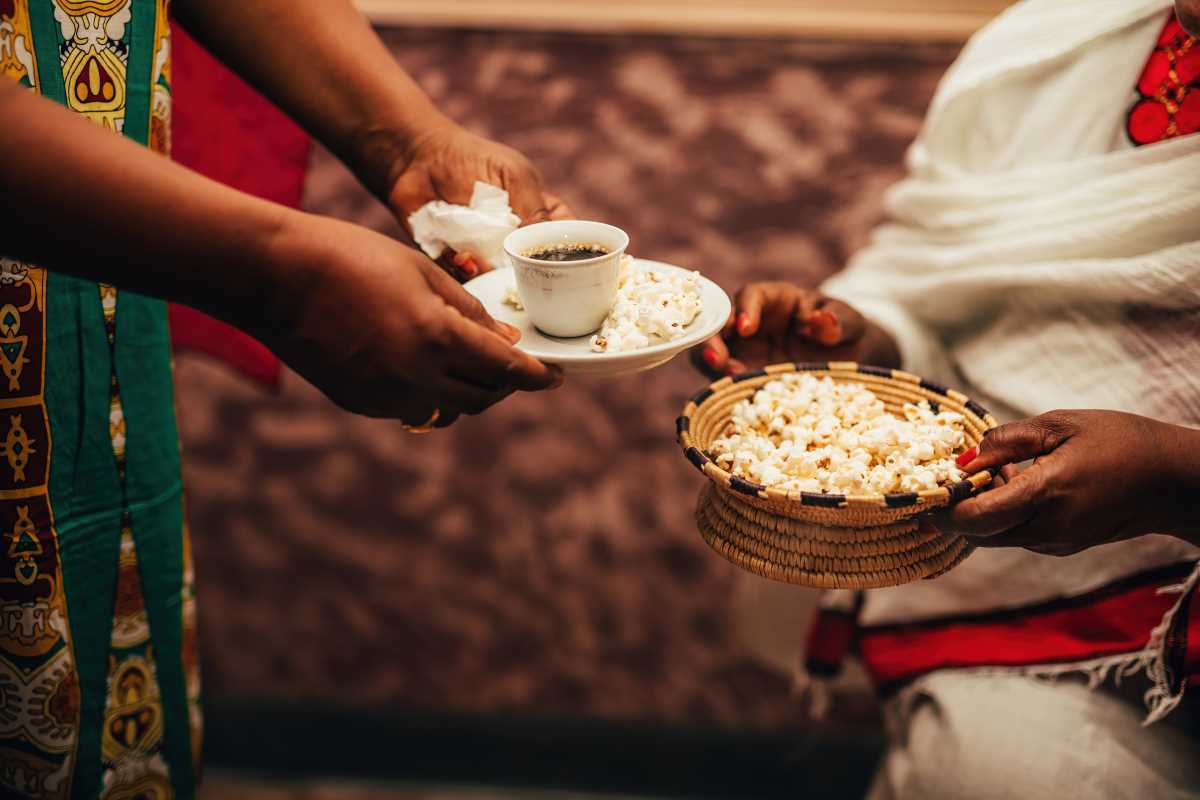
Food is a universal language, yet the rules surrounding how we eat vary wildly. Dining etiquette is a minefield for first-time travelers, where simple acts like finishing your meal or leaving a tip can send unintended messages.
The Chopstick Challenge
For travelers heading to East Asia, mastering chopsticks is about more than dexterity. It’s about respect.
- Upright Chopsticks: Never stick your chopsticks vertically into a bowl of rice. This resembles the incense sticks burnt for the dead and is considered a bad omen in Japan and China.
- Passing Food: In Japan, never pass food directly from your chopsticks to another person's chopsticks. This mimics a funeral ritual involving cremated bones. If you want to share, place the food on a small plate for them to pick up.
To Finish or Not to Finish?
In some cultures, a clean plate is a compliment to the chef. In others, it implies the host failed to feed you enough.
- China: Leaving a small amount of food on your plate indicates that your host was generous and you are satisfied. Cleaning your plate suggests you are still hungry.
- India and Japan: It is generally polite to finish everything on your plate to show appreciation for the food and avoid waste.
The Tipping Trap
Tipping culture is perhaps the most confusing aspect of travel finance.
- USA: Tipping 15-20% is mandatory etiquette.
- Japan and South Korea: Tipping is not practiced and can even be considered insulting. Service is seen as a professional duty performed with pride, not something that requires extra financial incentive. Leaving money on the table might result in a waiter chasing you down the street to return your "forgotten" change.
Clothing and Modesty Mistakes
Your attire speaks volumes before you even say a word. Failing to adhere to local dress codes is one of the most visible cultural etiquette missteps travelers make, particularly in conservative or religious regions.
Religious Sites
Whether you are visiting a cathedral in Italy, a temple in Thailand, or a mosque in Morocco, modesty is non-negotiable.
- Shoulders and Knees: Generally, both men and women should keep shoulders and knees covered. Carrying a lightweight scarf in your day bag is a practical tip for impromptu temple visits.
- Head Coverings: Women may be required to cover their hair in mosques or Orthodox churches.
- Shoe Removal: In many Asian temples and mosques worldwide, removing your shoes before entering is mandatory. Ignoring the pile of shoes at the entrance is a sign of blatant disrespect.
Public Attire
Beyond religious sites, general street wear requires consideration. In many conservative countries, wearing revealing clothing like short shorts or tank tops in regular public spaces can draw unwanted attention and is seen as disrespectful to local values. Beachwear belongs strictly at the beach.
Social Interaction and Greetings
How you say hello sets the tone for your interaction. While a handshake is common in the West, it is not the default everywhere.
The Art of the Bow
In Japan and Korea, bowing is the standard greeting. The depth and duration of the bow depend on social hierarchy. For a tourist, a slight inclination of the head is usually sufficient and polite. Attempting a handshake when a bow is expected can create an awkward fumble.
Touching and Personal Space
Different cultures have different "bubbles" of personal space.
- Latin America and Southern Europe: People tend to stand closer and touch more frequently during conversation. Pulling away can be seen as cold or unfriendly.
- Northern Europe and East Asia: Physical contact is reserved for close friends. A slap on the back or a hug from a stranger is an uncomfortable intrusion.
- The Left Hand: In cultures where the left hand is traditionally used for personal hygiene (India, Middle East, parts of Africa), never use it to eat, shake hands, or hand money to someone. Always use your right hand for social interactions.
Actionable Tips to Avoid Missteps
Navigating these rules might seem daunting, but a little preparation goes a long way. Here is how you can minimize travel mistakes and engage respectfully.
- Research Before You Go: Spend time reading about the specific customs of your destination. Guidebooks and travel blogs often have dedicated "etiquette" sections.
- Observe the Locals: When in doubt, pause and watch. How are people greeting each other? Are they taking their shoes off? Mimicking local behavior is often the safest bet.
- Learn Key Phrases: Learning "hello," "thank you," and "I'm sorry" in the local language demonstrates effort and humility. Locals are far more forgiving of etiquette blunders when they see you are trying to communicate respectfully.
- Ask Questions: It is okay to admit you don't know. Asking, "Is it appropriate to wear this?" or "How should I eat this?" shows respect for their culture.
- Apologize Sincerely: If you realize you have caused offense, a sincere apology is universally understood. Don't make excuses. Simply apologize and correct your behavior.